Start with your application to see candidate materials and the questions to answer before choosing a powder.
In short: Metal 3D printing powder is chosen by application: AlSi10Mg and Ti6Al4V for lightweight parts, Inconel 718/625 for high temperature, 316L for corrosion, 18Ni300 for tooling, copper and CuCrZr for conductivity, CoCr for dental and 925 silver for jewellery.
This guide is a technical pre-screening. Final suitability is confirmed with machine parameters and application testing.
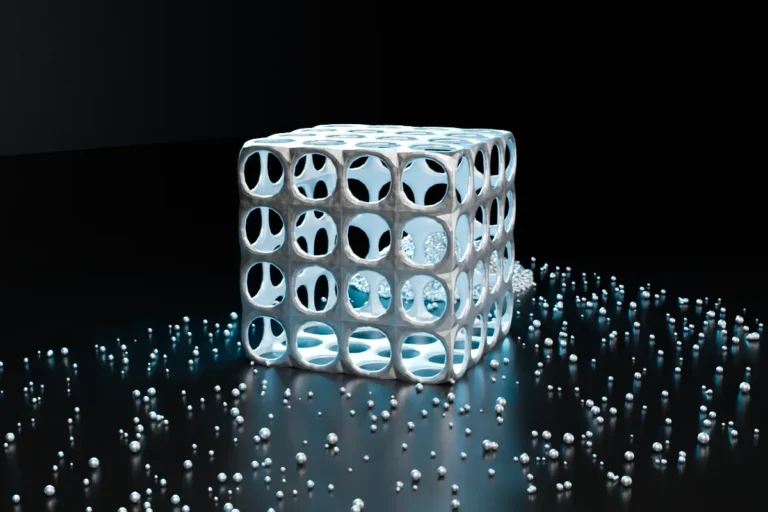
Lightweight structural parts
AlSi10Mg, Scalmalloy®, Ti6Al4V
Aerospace brackets, drone and robotics parts and motorsport components where weight is critical. Titanium offers high specific strength and temperature resistance; aluminium offers low density and cost. Lattice structures deliver the same strength with less material.
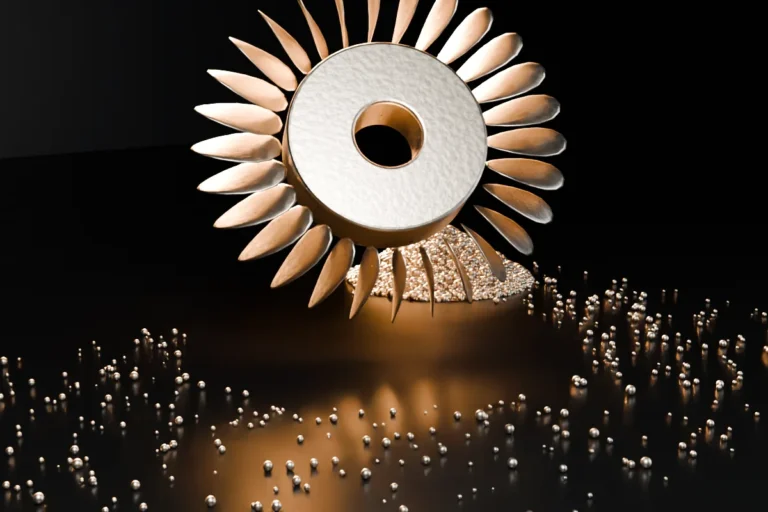
High temperature
Inconel® 718, Inconel® 625, Hastelloy® X
Gas turbine, rocket engine and exhaust parts that need strength and oxidation resistance above 600 °C. Heat treatment and, where required, HIP are part of the material choice.
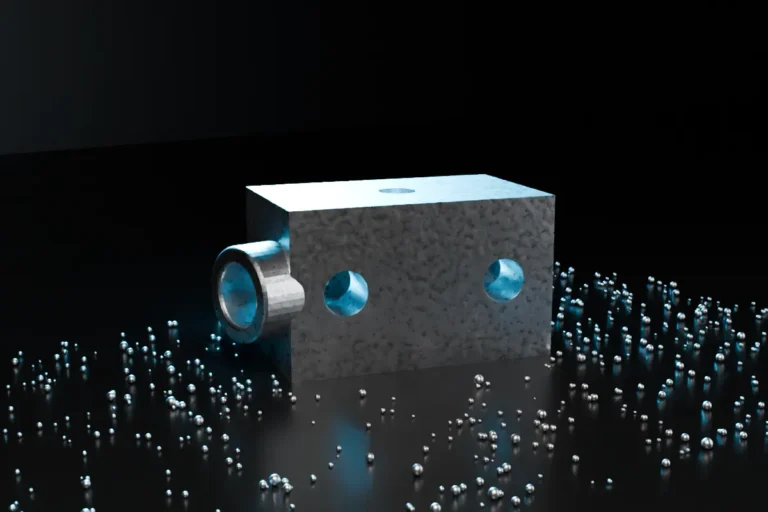
Chemical media and corrosion
316L, Inconel® 625
Pumps, valves, manifolds and chemical process equipment. 316L covers general corrosion; Inconel 625 excels in chloride and acidic media. Surface roughness of internal channels should be considered at design stage.
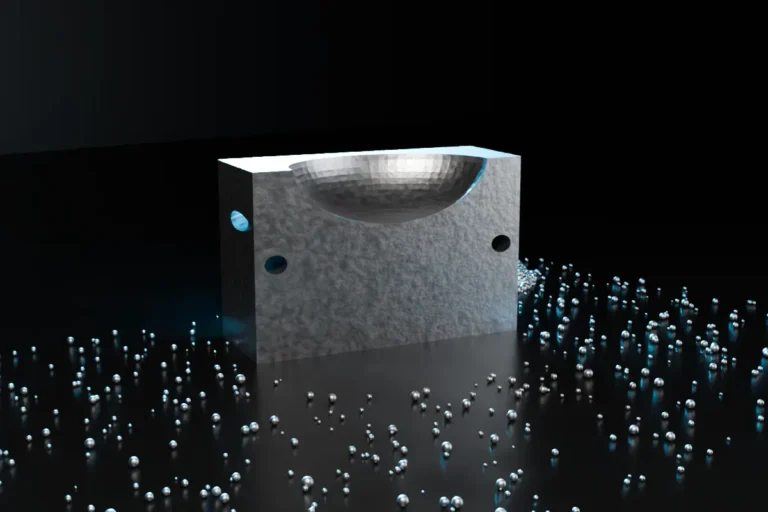
Tooling and moulds
18Ni300, H13, Corrax®, 420, 17-4PH
18Ni300 (1.2709) is the standard for conformally cooled mould inserts; Corrax®-type steel for corrosive plastics, H13 for hot work, 420 and 17-4PH for hardenable stainless needs. Conformal channels reduce cycle time and warpage.
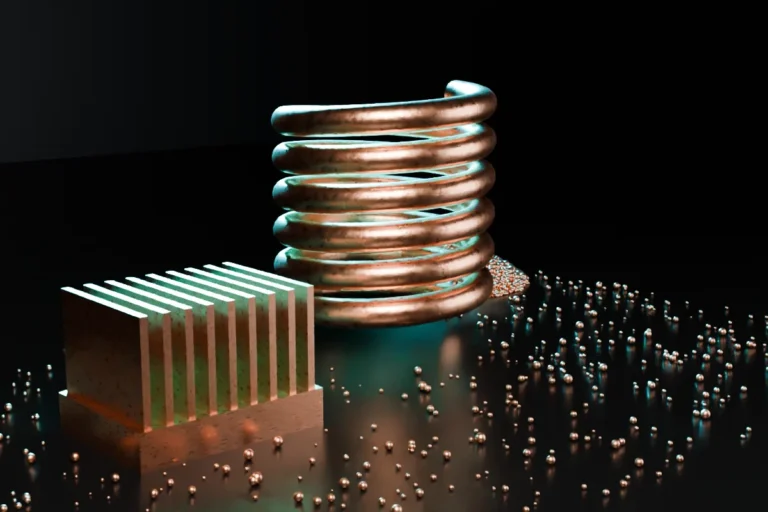
Thermal and electrical conduction
Copper, CuCrZr, AlSi10Mg
Induction coils, cold plates, heat exchangers and electrodes. Pure copper gives the highest conductivity; CuCrZr adds strength. Laser type is decisive for copper.
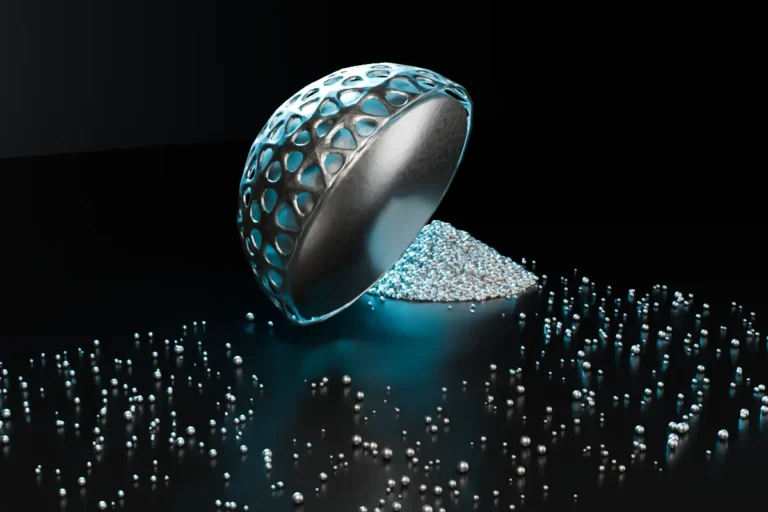
Medical development
Ti6Al4V ELI / Grade 23, 316L
Ti6Al4V ELI for orthopaedic and spinal implant development; 316L and 17-4PH for instruments, fixtures and equipment. Device conformity, biological evaluation and process validation remain the manufacturer's responsibility.
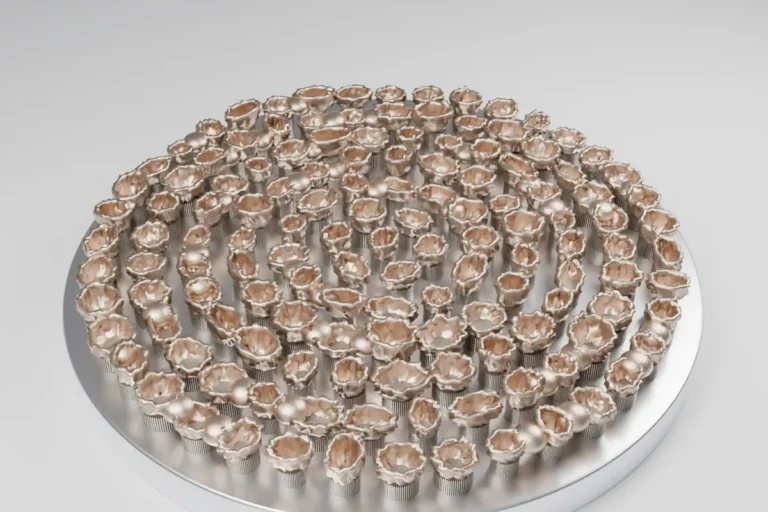
Dental restorations and prostheses
Dental CoCr
Crown and bridge frameworks and removable partial denture frameworks printed with laser sintering (SLM). Ceramic compatibility, composition and machine compatibility must be checked together.
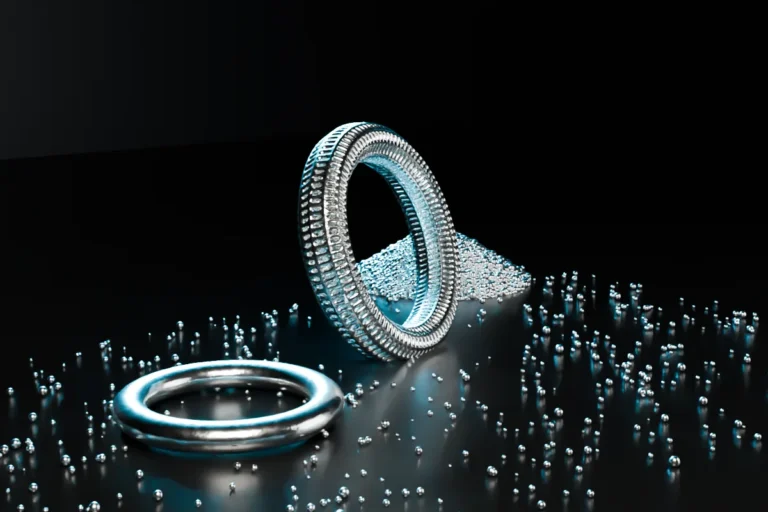
Jewellery and precision parts
925 silver, pure silver
Custom, lightweight and complex jewellery printed directly without casting models. Surface finishing and hallmarking are part of the production plan.
Catalogue data is a reference for material selection; the datasheet, certificate of analysis of the delivered batch and application tests prevail.
Frequently asked questions
Which metal powder should I choose for 3D printing?
The choice depends on operating temperature, load, corrosion environment, weight target, conductivity and the machine used. Aluminium or titanium for light weight, nickel superalloys for high temperature, maraging steel for moulds and copper alloys for conductivity are good starting points.
Is 3D printing powder the same as powder metallurgy powder?
No. LPBF/SLM typically uses gas-atomized, spherical powder with a narrow particle size range (e.g. 15–53 µm). Press-and-sinter powder metallurgy and MIM use powders with different size and morphology.
Why does particle size matter?
Particle size distribution determines flowability, spread layer density, surface quality and compatibility with the machine layer thickness. LPBF typically uses 15–53 µm; DED/LMD uses coarser cuts.
What information is needed for a metal powder quote?
Alloy, quantity (kg), particle size cut, machine make/model, application and required documents (certificate of analysis, PSD report, sector documents) are enough to prepare a fast and accurate quote.